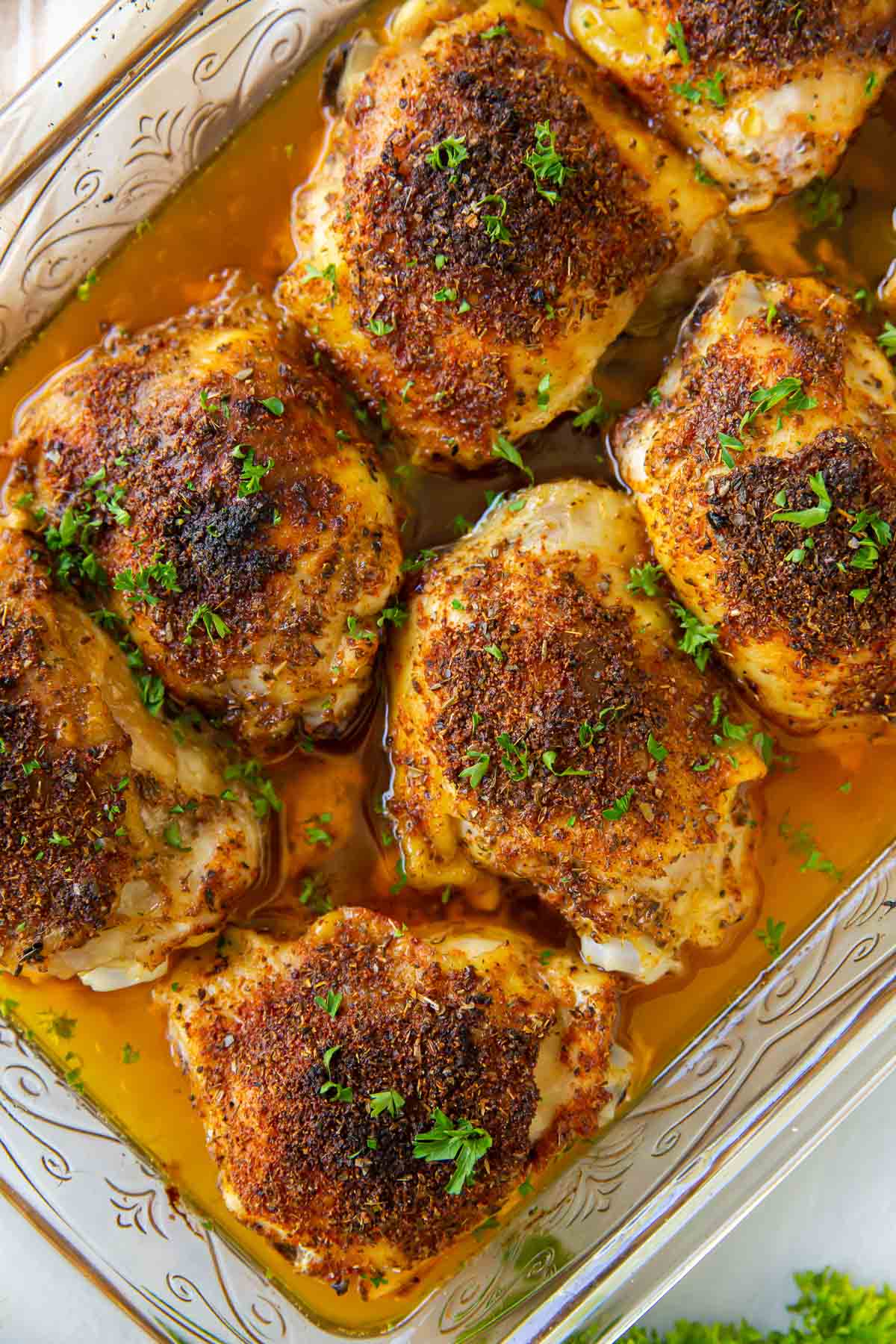
Unlock Perfect Baked Chicken Thighs: The 185°F Crispy Secret
Tired of dry, uninspired chicken thighs with flabby skin? Imagine sinking your teeth into a perfectly cooked chicken thigh – the skin shatteringly crisp, crackling with flavor, while the meat beneath remains incredibly tender and juicy. This isn't just a dream; it's an easily achievable reality, and the secret lies in a precise internal temperature:
185°F. While many home cooks aim for the standard 165°F for chicken, we're here to reveal why going a little higher for
crispy and juicy baked chicken thighs makes all the difference, transforming a simple weeknight meal into a culinary triumph. Forget complicated marinades or fussy techniques; with a few straightforward steps and the right temperature, you're just minutes away from the best baked chicken thighs you've ever made.
The Science Behind Perfect Baked Chicken Thighs: Why 185°F?
When it comes to cooking chicken, 165°F (74°C) is the universally accepted safe internal temperature to eliminate harmful bacteria. So, why are we advocating for 185°F (85°C) for your chicken thighs? The answer lies in the unique composition of this dark meat. Chicken thighs are rich in connective tissue and collagen, which, unlike the lean muscle of chicken breasts, actually benefit from cooking to a higher temperature.
Here's why 185°F is the magic number for thighs:
*
Collagen Breakdown: At temperatures above 165°F, the collagen in chicken thighs begins to break down into gelatin. This process is crucial for achieving that incredibly tender, melt-in-your-mouth texture. If you pull thighs off the heat at 165°F, the collagen hasn't had enough time to fully render, resulting in meat that can be chewy or stringy.
*
Enhanced Juiciness: While it might seem counterintuitive to cook chicken to a higher temperature for juiciness, the breakdown of collagen actually helps the meat retain moisture. The gelatin created acts like a natural lubricant, giving the thighs a richer, more succulent mouthfeel that can't be achieved at lower temperatures.
*
Superior Crispy Skin: Achieving truly crispy skin requires sufficient time in a hot oven for the fat to render and the moisture to evaporate. Cooking to 185°F provides that extra window, allowing the skin to crisp up beautifully without fear of overcooking the meat beneath, thanks to the forgiving nature of dark meat.
In essence, 185°F allows the chicken thigh's natural attributes to shine, delivering a far more enjoyable eating experience than stopping at the minimum safe temperature. Investing in a reliable meat thermometer is absolutely essential for consistently hitting this target and unlocking the true potential of your
easy baked chicken thighs.
Essential Steps for Crispy, Juicy Baked Chicken Thighs
Achieving that golden, crispy skin and tender, juicy interior is simpler than you might think. It all starts with proper preparation and understanding your oven.
1. The Power of Patting Dry
This seemingly minor step is perhaps the most critical for crispy skin. Moisture is the enemy of crispiness. Before seasoning, thoroughly pat both sides of your chicken thighs dry with paper towels. Remove as much surface moisture as possible. Excess moisture will steam the chicken in the oven, preventing the skin from crisping up. Trim any excessively loose skin or large pockets of fat, as these can also hinder crisping and lead to a greasy result.
2. Simple Yet Flavorful Seasoning
You don't need a complex marinade for delicious baked chicken thighs. A simple yet effective seasoning blend is often all it takes to enhance the natural flavors. A classic combination includes:
*
Salt: Essential for flavor and drawing out moisture.
*
Black Pepper: Adds a gentle warmth and aromatic kick.
*
Garlic Powder: Provides a foundational savory note.
*
Onion Powder: Complements the garlic and adds depth.
*
Paprika: Contributes a beautiful color and mild sweetness.
*
Dried Herbs: Oregano, thyme, or a blend like Italian seasoning work wonderfully.
After patting dry, drizzle the thighs with a small amount of neutral oil (like olive, avocado, or grapeseed oil). This helps the seasoning adhere and promotes even browning and crisping. Then, generously sprinkle your chosen seasoning blend over both sides, ensuring good coverage.
3. Optimal Oven Temperature and Setup
For the best results, a high oven temperature is key to achieving crispy skin in a relatively short amount of time.
*
Regular Oven: Preheat to
450°F (230°C).
*
Convection Oven: Preheat to
425°F (220°C).
Convection ovens circulate hot air, cooking food more evenly and often faster, which is excellent for crisping. If you have a convection setting, use it!
For setup, line a baking sheet with aluminum foil for easy cleanup. Crucially, place an oven-safe wire rack on top of the foil-lined baking sheet and lightly spray it with cooking spray. Elevating the chicken on a rack allows air to circulate around all sides of the thigh, preventing the bottom from becoming soggy and ensuring even crisping. Arrange the seasoned chicken thighs in a single layer on the rack, ensuring they are not overcrowded, which can also lead to steaming.
Mastering Your Oven: Temperature and Time Variations
While we champion the 425°F/450°F approach for speed and crispiness, understanding how different oven temperatures affect cooking time is valuable. Remember, these times are *guides*; the meat thermometer is your ultimate authority.
Baking Times at Various Oven Temperatures (Approximate for Bone-In Thighs)
*
350°F (175°C) Regular Oven: 50–55 minutes. *Note: May lead to drier results and less crispy skin due to extended cooking time.*
*
350°F (175°C) Convection / 375°F (190°C) Regular Oven: 45–50 minutes.
*
375°F (190°C) Convection / 400°F (200°C) Regular Oven: 40–45 minutes.
*
400°F (200°C) Convection / 425°F (220°C) Regular Oven: 35–40 minutes.
*
Recommended: 425°F (220°C) Convection / 450°F (230°C) Regular Oven: 30–35 minutes. This is our preferred method for the ideal balance of crispy skin and tender, juicy meat.
Bone-In vs. Boneless, Skin-On vs. Skinless
The versatility of baked chicken thighs extends to various cuts:
*
Bone-In, Skin-On Thighs: These are generally preferred for the ultimate crispy skin and juicy meat. The bone helps insulate the meat, contributing to more even cooking and moisture retention.
*
Boneless, Skin-On Thighs: These will cook slightly faster than bone-in versions. Keep a close eye on the internal temperature.
*
Boneless, Skinless Thighs: While you won't get crispy skin, this method still yields incredibly juicy and flavorful meat. The cooking time will be significantly reduced – often 20-25 minutes at higher temperatures. Always ensure they reach 185°F for maximum tenderness.
Using a Toaster Oven
A toaster oven can absolutely be used for baking chicken thighs, especially for smaller batches. Ensure your toaster oven can maintain the desired high temperature consistently. Always use a pan with sides to catch fat drippings and ideally a small rack if available. The same rule applies: cook to an internal temperature of 185°F, relying on your thermometer rather than just time, as toaster oven temperatures can vary widely.
Troubleshooting and Pro Tips for Flawless Results
Even with the best instructions, sometimes things don't go exactly as planned. Here are some common issues and how to resolve them, along with some expert tips:
*
Skin Not Crispy Enough?
*
Did you pat it dry? This is the number one culprit.
*
Was your oven hot enough? Ensure your oven is fully preheated to the correct temperature. An oven thermometer can help verify accuracy.
*
Was the pan overcrowded? Give chicken thighs space on the rack for air circulation.
*
Consider a quick broil: If the internal temperature is 185°F but the skin needs a little extra crisp, place the thighs under the broiler for 1-3 minutes, watching *very* closely to prevent burning.
*
Meat is Dry?
*
Did you overcook past 185°F? While thighs are forgiving, extreme overcooking will dry them out. Trust your thermometer!
*
Were your thighs very thin? Thinner boneless thighs will cook faster. Adjust cooking time accordingly and check internal temperature earlier.
*
The Importance of Resting: Once your baked chicken thighs hit 185°F, remove them from the oven and let them rest on a cutting board or clean plate for 5-10 minutes before serving. This allows the juices to redistribute throughout the meat, resulting in an even more tender and juicy experience.
*
Utilize Pan Drippings: Don't discard the flavorful drippings at the bottom of your baking sheet! These can be used to make a quick pan sauce, spooned over rice, or added to vegetables for extra flavor.
With these insights and techniques, you're now equipped to consistently bake chicken thighs that boast irresistibly crispy skin and succulent, juicy meat. This method is not only delicious but also healthier than traditional fried chicken, making it a perfect addition to your weekly meal rotation.
Conclusion
The journey to perfectly baked chicken thighs is surprisingly simple once you understand the core principles, especially the transformative power of cooking them to an internal temperature of
185°F. By focusing on proper drying, effective seasoning, high oven heat, and most importantly, temperature over strict time limits, you unlock a level of crispiness and juiciness that elevates this humble cut of chicken to star status. Say goodbye to rubbery skin and dry meat, and confidently welcome a reliable, delicious method for baked chicken thighs that will impress every time. With just about 30-35 minutes of cook time, you can have a healthier, flavor-packed meal that rivals any restaurant dish.